Heel fissures are caused by calloused dry skin and excessive forces acting on the bottom and back edge of the heel.
Dry skin, especially during winter, is a fairly normal condition that can be treated with skin creams. But if the crack is so deep that you see reddish colored tissue or even blood, seek medical attention. Your skin is the best defense against bacteria. Once this barrier is compromised, you run a greater risk of getting an infection.
Several conditions can cause heel fissures, including diabetes, psoriasis, thyroid changes, athlete’s foot (fungus), excessive weight and abnormal biomechanics.
How Footwear Can Help
Going barefoot or wearing open backed sandals are among the worst things you can do when you have heel fissures. Both allow the fat pad of the heel to deform, thereby opening up your fissures.
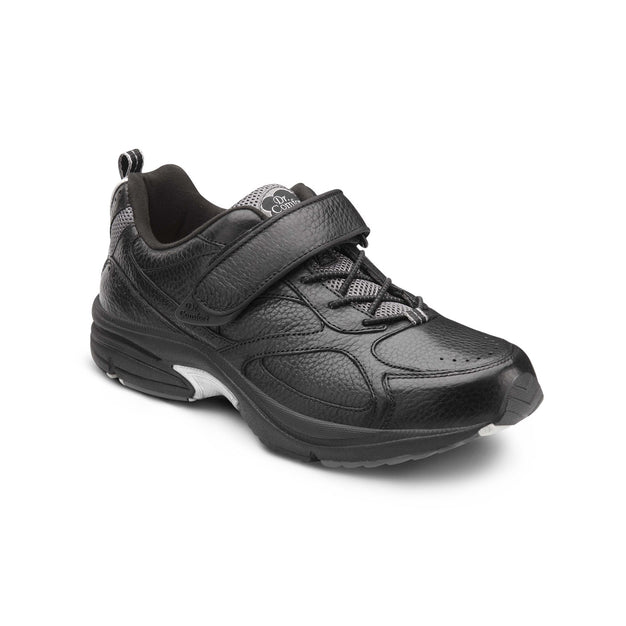
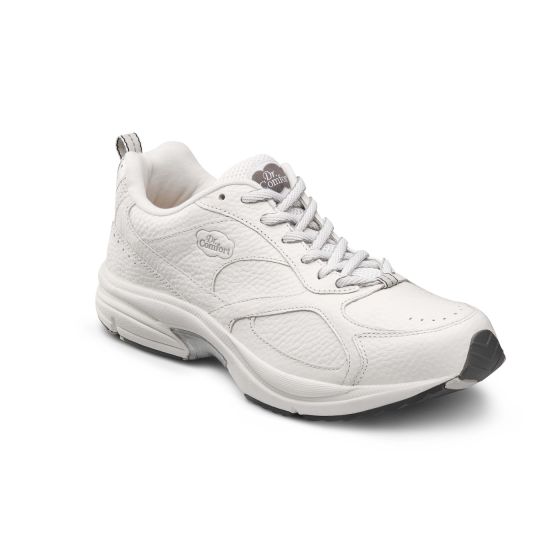
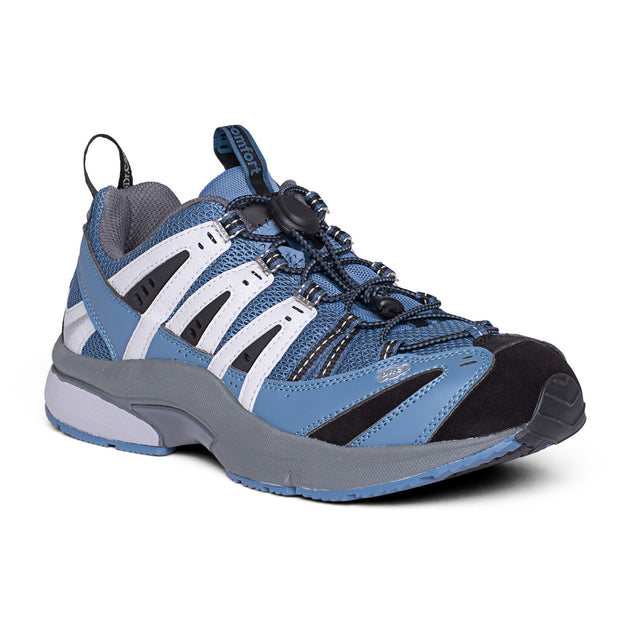
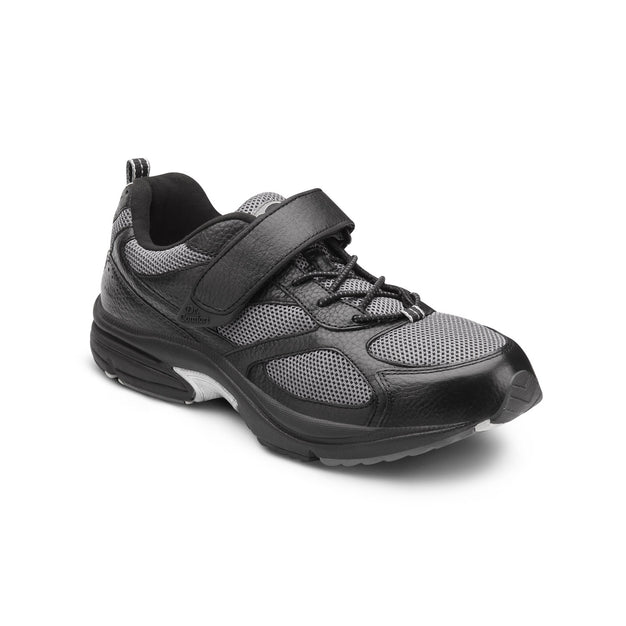
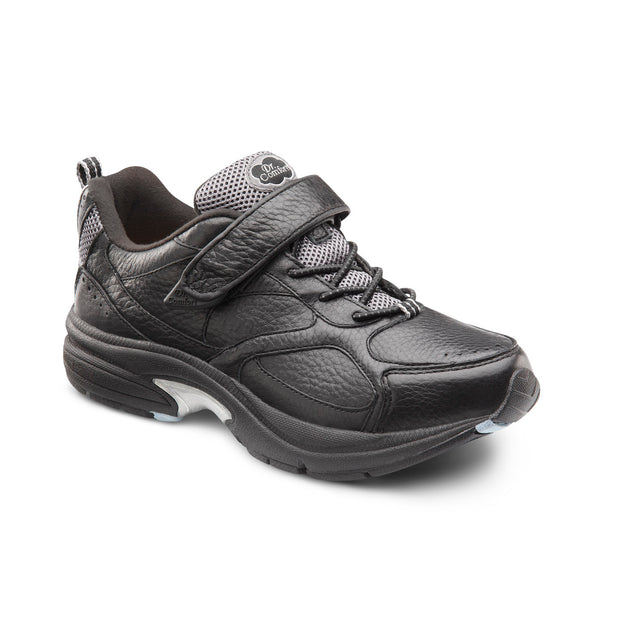
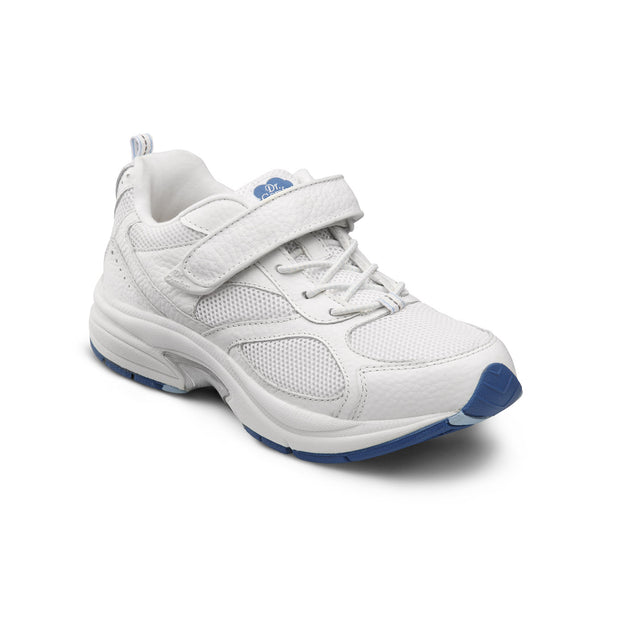
Appropriate footwear is the key to proper biomechanics and preventing the formation of fissures. Wear shoes with stable heel counters, along with inserts to reduce the pressures on your heels. Look for shoe inserts with deep heel cups to redistribute the loads more evenly across your heels, and gels or foams that will function as an artificial heel fat pad.
What Else You Can Do
Use a pumice stone to sand away dead skin and calluses. Never cut callous tissue.
Apply skin creams each evening before bed.
If you are having trouble softening the callous tissue, try a petroleum-based skin softener.
Wear socks to bed to help the lotion or ointment penetrate.
Schedule an appointment with a podiatrist or other healthcare professional for an exact diagnosis — especially if your skin isn’t responding to self-care.
Appropriate footwear is the key to proper biomechanics and preventing the formation of fissures.